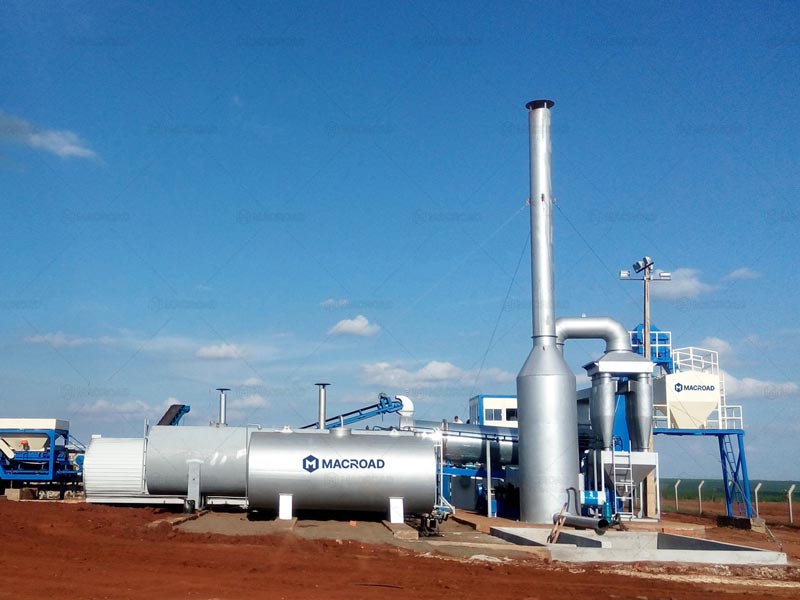
Peru is experiencing one of the most intensive infrastructure development cycles in South America, driven by highway rehabilitation programs, mining corridor upgrades, and urban transport projects. In this context, selecting the right asphalt plant Peru(planta de asfalto Perú) configuration is no longer a simple equipment purchase decision. It is a localization strategy that must account for terrain, climate, regulatory pressure, labor structure, logistics bottlenecks, and even cultural construction practices. The increasing popularity of the portable asphalt plant and the mini asphalt plant clearly reflects this shift from standardized imports to localized solutions.
Peru’s road construction market is shaped by three structural realities: complex topography, decentralized project distribution, and strong seasonality. Unlike flat regions in Argentina or coastal Brazil, Peruvian projects are frequently located in high-altitude Andean corridors or remote Amazon access roads, where logistics and weather are unpredictable.
For contractors, this means that a single centralized production model is no longer viable. The cost of transporting hot mix asphalt over long distances, combined with steep elevation changes, often forces producers to bring production closer to the jobsite.
At elevations above 3,000 meters, combustion efficiency changes, affecting burner performance and fuel consumption. Plants designed for coastal operation may experience unstable flames, poor drying efficiency, and excessive emissions when relocated to the Andes. Contractors in Cusco and Puno increasingly request altitude-optimized burners and insulated drum shells to maintain stable output.
The dry season may allow 10–12 hours of continuous paving, while the rainy season can reduce effective working time to less than 6 hours per day. This directly impacts capacity selection and justifies the deployment of decentralized mini asphalt plant units for maintenance works rather than over-investing in large stationary systems.
Many Peruvian infrastructure projects are served by temporary gravel access roads. Heavy stationary plants require reinforced foundations and long installation periods, whereas a portable asphalt plant(planta de asfalto portátil) can be assembled with limited civil works and relocated as projects progress.
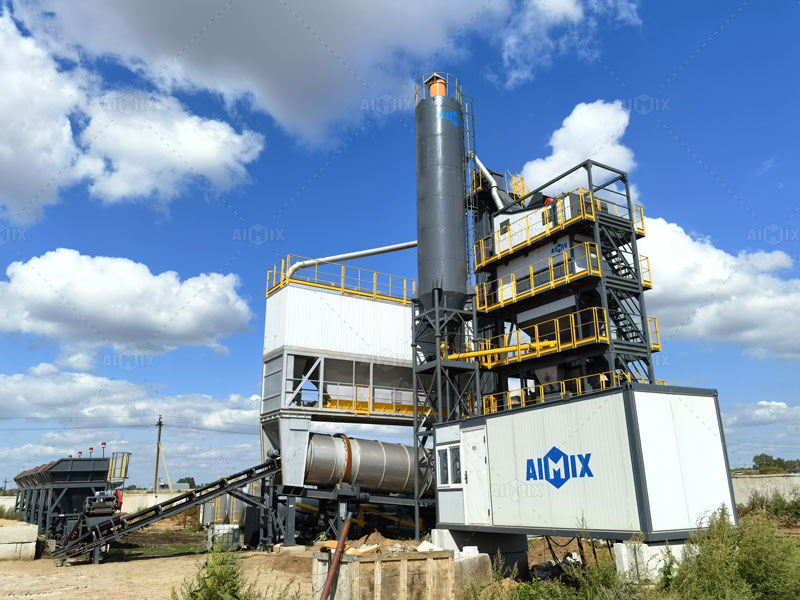
In Lima, Arequipa, and Trujillo, night-time paving windows are common due to traffic restrictions. Output requirements are moderate but scheduling precision is critical. Here, contractors often favor compact plants with rapid startup capability.
For long-distance mining haul roads, production volumes are high but projects move frequently. A portable asphalt plant offers the flexibility to relocate production as the road alignment shifts, reducing haul distance and asphalt cooling losses.
In rural provinces, budgets are limited and paving volumes are low. Deploying a mini asphalt plant(mini planta de asfalto) in these regions avoids excessive capital exposure while ensuring on-demand production for patching and resurfacing programs.
Given the variability of site conditions, Peruvian contractors increasingly require modular plant layouts that allow flexible orientation of silos, dryers, and control cabins. This reduces the need for heavy earthworks and speeds up commissioning.
Many projects pass through residential or agricultural zones. Dust control, noise insulation, and controlled material storage must be integrated into the layout to minimize community resistance and regulatory delays.
Stable grid electricity is not guaranteed outside major cities. Diesel generators and dual-fuel burner systems are common design requirements, particularly for remote Andean projects.
Peru’s construction workforce often consists of regionally hired operators with varying technical backgrounds. Plant designs must therefore prioritize user-friendly automation, visual alarms, and simplified maintenance routines. This is one reason localized suppliers outperform generic exporters in the Peruvian market.

While localized configurations may appear more expensive at the quotation stage, they consistently outperform generic setups in lifecycle cost. Reduced downtime, shorter installation periods, and lower transport costs quickly offset the initial investment.
For example, a portable asphalt plant deployed sequentially across three provincial road projects can eliminate repeated subcontracting fees and asphalt haul expenses, delivering savings of 15–25 percent over two years.
Analyze your project pipeline for the next three to five years. Cluster projects by region and altitude to determine whether centralized or decentralized production makes economic sense.
Use large modular systems for coastal highways, portable asphalt plant units for mountain corridors, and mini asphalt plant models for municipal maintenance.
Engage plant suppliers early to co-design layouts that fit local terrain, power availability, and environmental constraints.
Peru’s infrastructure boom is creating opportunities for contractors who think beyond standard equipment catalogs. The real competitive edge lies in localization: selecting the right asphalt plant Peru solution, adapting layout designs to terrain and climate, and aligning plant capacity with regional project patterns. Whether deploying a portable asphalt plant in the Andes or a mini asphalt plant in rural provinces, success in Peru now depends on how intelligently global technology is adapted to local reality.