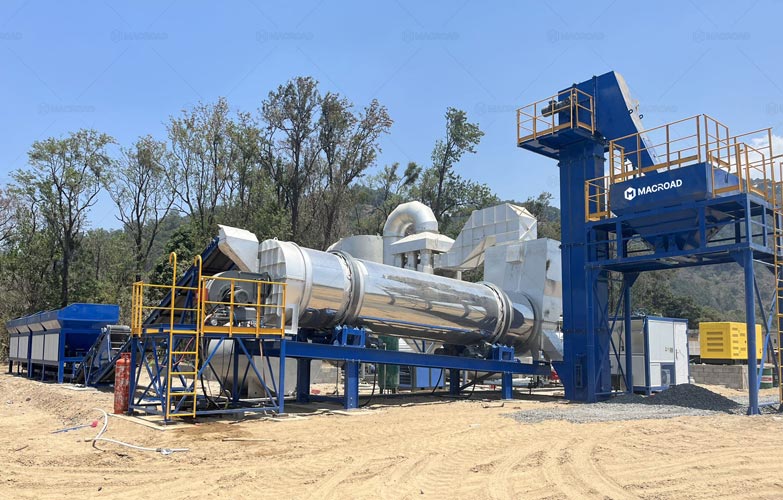
The use of recycled asphalt pavement (RAP) is increasing rapidly across global road construction projects, driven by rising material costs, environmental regulations, and sustainability goals. For contractors, the challenge is no longer whether to use RAP, but how to integrate it into production while maintaining compliance with technical standards and performance specifications.
Mobile asphalt production systems play a central role in this transition. Whether operating a portable asphalt plant(planta de asfalto portatil) on a remote highway project, selecting an asphalt plant for sale to expand production capacity, or deploying a small asphalt plant for municipal maintenance, contractors must ensure that recycled asphalt is incorporated safely, efficiently, and consistently. The ability of mobile plants to achieve compliant production with high RAP content is now a key competitive advantage in the road and bridge construction industry.
Recycled asphalt is not simply another raw material. It contains aged binder, variable moisture content, and inconsistent gradation, all of which complicate the production process. Compared with virgin aggregates and binder, RAP requires more precise temperature control, careful material handling, and accurate proportioning to meet quality and regulatory requirements.
Using higher RAP percentages increases the risk of binder oxidation due to excessive heating, incomplete blending between aged and virgin binder, temperature instability during mixing and discharge, and inconsistent gradation and asphalt content.
A mobile or portable asphalt plant must be designed to manage these risks while maintaining output efficiency and compliance with project specifications.
Many road authorities require strict control over mix temperature, emissions, and recycled content. A non-compliant mix can lead to rejected batches, project delays, and contractual penalties.
Therefore, contractors evaluating an asphalt plant for sale(planta de asfalto en venta) or upgrading an existing small asphalt plant must ensure the equipment supports high-RAP production without compromising environmental and quality standards.
Mobile asphalt plants achieve compliant production with recycled asphalt through a combination of mechanical design, thermal management, and automation technologies.
One of the most important features for high-RAP production is indirect heating. Instead of exposing RAP directly to the burner flame, modern portable asphalt plant designs introduce RAP downstream of the drying zone, allowing it to absorb heat gradually from superheated virgin aggregates.
This thermal separation prevents binder burning, reduces emissions, and preserves the mechanical properties of the recycled binder, which is essential for meeting durability and performance specifications.
Precise temperature control is fundamental to compliant RAP production. Mobile plants equipped with advanced burner modulation, real-time temperature sensors, and automated control systems can maintain stable aggregate and mix temperatures even under changing ambient conditions.
This capability is particularly important for small asphalt plant installations, where thermal mass is limited and temperature fluctuations occur more quickly. Automated control ensures consistent output quality while minimizing fuel consumption and emissions.
High-RAP mixes require precise control over material proportions. Modern mobile asphalt plants use high-accuracy weighing systems for virgin aggregates, RAP, filler, and binder to ensure consistent mix composition.
This level of accuracy is essential for compliance with design mix formulas and quality control standards, particularly when using variable-quality RAP from multiple sources.
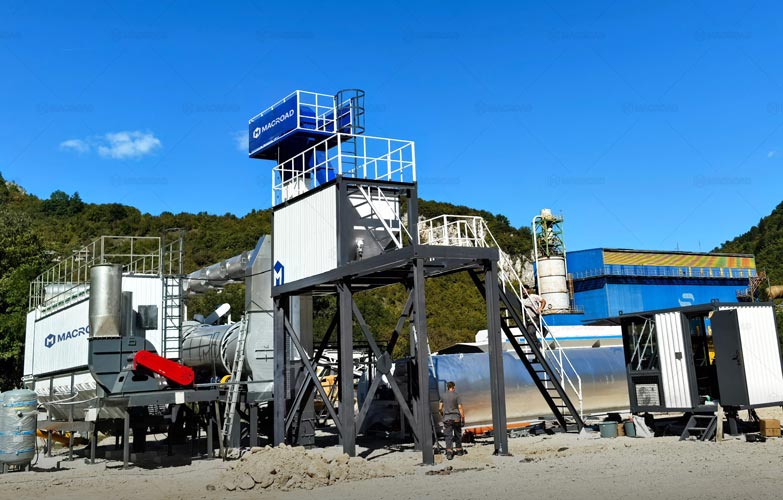
Equipment design alone is not sufficient. Operational discipline and quality management are equally important for achieving compliant production with recycled asphalt.
Proper RAP processing begins long before the material enters the plant. Screening, crushing, and proper stockpile management reduce variability in gradation and moisture content, improving mixing stability.
For contractors operating a portable asphalt plant in remote areas, investing in basic RAP processing equipment can significantly improve production consistency and reduce operational risk.
Continuous monitoring of aggregate temperature, RAP temperature, and final mix discharge temperature is essential for maintaining compliance. Operators should adjust burner output and material feed rates dynamically to account for changes in moisture content, ambient temperature, and RAP proportion.
A modern small asphalt plant(planta asfáltica pequeña) with integrated temperature monitoring systems enables real-time control and rapid response to deviations, reducing the likelihood of rejected batches.
When using high RAP percentages, binder properties become more complex due to blending between aged and virgin binder. Contractors should implement routine binder testing, performance grading, and mix design validation to ensure the final product meets performance requirements.
Mobile asphalt plants with flexible binder injection systems support the use of rejuvenators and modifiers, further improving the performance and durability of high-RAP mixes.
Compliant high-RAP production offers both economic and environmental advantages, making it an increasingly attractive strategy for road contractors.
Recycled asphalt reduces the demand for virgin aggregates and binder, lowering raw material costs. When combined with efficient fuel usage and stable production in a portable asphalt plant, this can significantly reduce cost per ton of asphalt produced.
For contractors evaluating an asphalt plant for sale, the ability to support high-RAP production often translates into faster return on investment and improved project profitability.
Using RAP reduces the need for quarrying, transportation, and asphalt binder production, all of which contribute to greenhouse gas emissions. Mobile plants with indirect heating and efficient combustion systems further reduce emissions, supporting compliance with environmental regulations and sustainability targets.
A well-designed small asphalt plant can therefore contribute to both economic efficiency and environmental stewardship, especially in urban and environmentally sensitive areas.
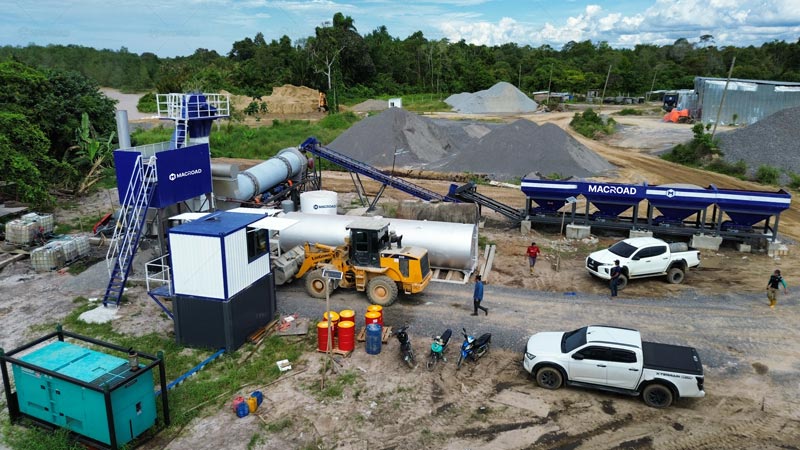
Contractors planning to expand RAP usage should consider high-RAP capability as a core selection criterion when choosing a mobile asphalt plant.
Key factors include whether the portable asphalt plant supports indirect RAP heating and thermal separation, the accuracy and responsiveness of temperature control systems, the flexibility of binder injection and proportioning systems, and the availability of automation and quality control features.
These considerations apply equally when purchasing a new asphalt plant for sale or upgrading an existing small asphalt plant to meet evolving regulatory and performance requirements.
The increased use of recycled asphalt is reshaping the road construction industry, and mobile asphalt plants are at the center of this transformation. Through advanced heating design, precise control systems, and disciplined operational practices, portable asphalt plant configurations can achieve fully compliant production even at high RAP levels.
By investing in equipment and processes that support accurate temperature control, precise proportioning, and consistent quality management, contractors can unlock the full economic and environmental benefits of recycled asphalt. In doing so, mobile asphalt plants and small asphalt plant installations become not only production assets, but also strategic tools for building more sustainable, cost-effective, and durable road infrastructure.