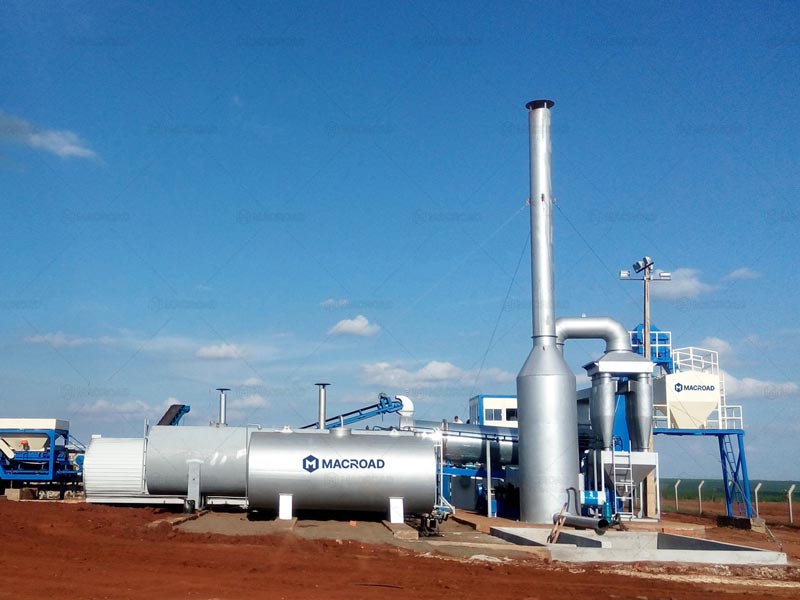
Peru’s road and bridge construction industry operates under a unique combination of geological instability, extreme climate variability, and complex logistics. Earthquakes, floods driven by El Niño, and landslides along mountainous transport corridors regularly disrupt construction schedules. For contractors evaluating an asphalt plant for sale in Peru(venta de planta de asfalto en Perú), the ability to maintain safe and continuous production is just as critical as output capacity or price. Whether the project relies on a traditional asphalt plant or a high-efficiency drum mix asphalt plant, a structured emergency response and prevention system must be embedded into daily management.
Safety production management is no longer a checklist exercise. It is a systematic approach that integrates organizational responsibility, equipment protection, disaster preparedness, and continuous improvement.
Asphalt stations in Peru face a mix of natural and operational hazards that differ significantly from those in more stable regions. Earthquake exposure is the primary threat in coastal and Andean zones. Even moderate seismic activity can shift foundations, damage control cabinets, and deform aggregate silos, creating latent risks that may only manifest days later.
Flooding is another persistent danger. Coastal projects frequently experience flash floods that submerge electrical systems and wash out material yards, while river basin projects face prolonged high-water periods that compromise access roads and fuel storage safety. Operational hazards such as fuel leakage, thermal oil rupture, and electrical overload further compound these risks.
A robust safety framework begins with governance and accountability. Each asphalt station should implement a three-tier responsibility structure to prevent confusion during emergencies.
Digital monitoring platforms integrate burner temperature, motor load, and thermal oil pressure data into a centralized dashboard, allowing managers to intervene before minor deviations become safety incidents.
Once seismic activity is detected, production must be halted immediately. Fuel supply isolation is followed by controlled power shutdown and structural inspection. Only after foundation settlement and frame distortion checks can electrical insulation testing begin.
Flood-prone sites require elevated electrical cabinets, clearly marked emergency power cutoff points, and weekly drainage maintenance routines. These measures ensure rapid shutdown capability during sudden water level rise.
A drum mix asphalt plant(planta de asfalto continua) operates with continuous flame and hot material flow, making burner inspection a core safety activity. Weekly nozzle cleaning, redundant flame detection, and pressure-loss auto-shutdown logic form the first line of defense.
Thermal oil pipelines must be protected with double-layer insulation, pressure relief valves, and ceiling-temperature alarms to prevent delayed system failures.
No safety management system functions without trained personnel. Quarterly emergency simulations replicate power loss, PLC failure, and fire evacuation scenarios.
A minimum on-site inventory of critical spares ensures production recovery after emergencies.
Emergency equipment such as portable generators, satellite phones, and mobile fire suppression units should be stored in accessible locations.
Each incident must be followed by formal analysis to identify root causes, update SOPs, and retrain staff. Alignment with Peruvian transport and environmental authority safety standards ensures legal compliance and operational consistency.
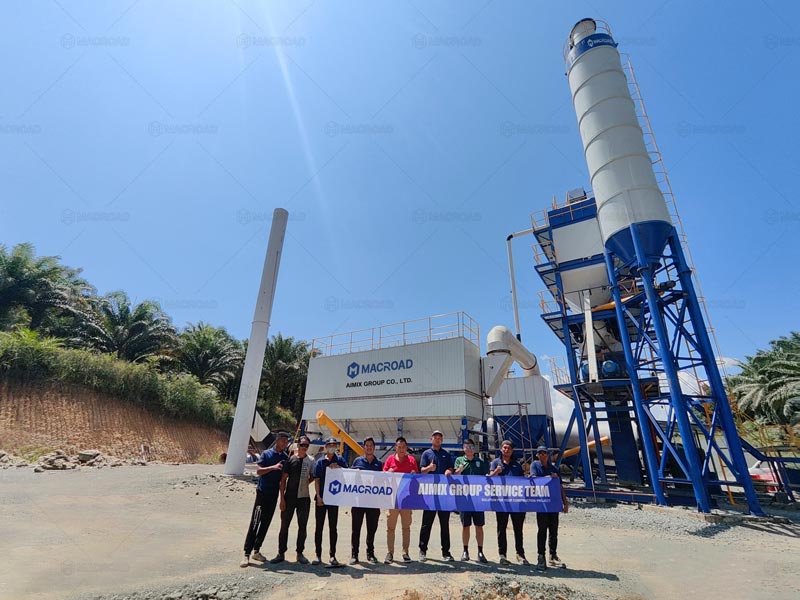
Projects with mature contingency planning typically experience 30–45 percent fewer unplanned shutdowns, reduced insurance premiums, and shorter claim settlement cycles. When selecting an asphalt plant(planta asfaltos) for sale in Peru, safety system compatibility should be evaluated alongside capacity and price.
In Peru’s disaster-prone construction environment, emergency response and prevention are strategic assets. Whether operating a centralized asphalt plant or a mobile drum mix asphalt plant, embedding safety production management and contingency planning into daily operations is the only sustainable way to protect personnel, equipment, and project profitability.